When to dive at Brothers, Daedalus and Elphinstone?
Brothers, Daedalus and Elphinstone, three names that summarize in themselves a certain idea of the red sea diving: isolated reefs, drop-offs that disappear into the blue, currents and especially the possibility of meeting some of the region's iconic large sharks. Gathered under the BDE acronym, they form one of Egypt's most renowned cruise itineraries.
When to Dive
Monthly overview of conditions in this destination.
| Jan | Feb | Mar | Apr | May | Jun | Jul | Aug | Sep | Oct | Nov | Dec | |
|---|---|---|---|---|---|---|---|---|---|---|---|---|
| Climate | ☀️ | ☀️ | ☀️ | ☀️ | ☀️ | ☀️ | ☀️ | ☀️ | ☀️ | ☀️ | ☀️ | ☀️ |
| °C | 21-25 | 22-26 | 24-29 | 27-32 | 30-35 | 33-38 | 35-40 | 35-40 | 32-37 | 29-34 | 25-30 | 22-26 |
| Water temperature °C | 23-25 | 22-24 | 23-25 | 24-26 | 25-27 | 27-29 | 28-30 | 28-30 | 28-30 | 27-29 | 25-28 | 23-26 |
| Peak of Attendance | ● | ● | ● | ● | ||||||||
| Hammerhead Sharks | ⭐ | ⭐ | ⭐ | ⭐⭐ | ⭐⭐ | ⭐⭐⭐ | ⭐⭐⭐ | ⭐⭐⭐ | ⭐⭐⭐ | ⭐⭐ | ⭐ | ⭐ |
| Longimanus Sharks | ⭐ | ⭐ | ⭐ | ⭐ | ⭐ | ⭐ | ⭐ | ⭐⭐ | ⭐⭐ | ⭐⭐⭐ | ⭐⭐⭐ | ⭐⭐⭐ |
| Grey Reef Sharks | ⭐⭐⭐ | ⭐⭐⭐ | ⭐⭐ | ⭐⭐ | ⭐ | ⭐ | ⭐ | ⭐ | ⭐ | ⭐⭐ | ⭐⭐⭐ | ⭐⭐⭐ |
| Jan | Feb | Mar | Apr | May | Jun | Jul | Aug | Sep | Oct | Nov | Dec | |
|---|---|---|---|---|---|---|---|---|---|---|---|---|
| Climate | ☀️ | ☀️ | ☀️ | ☀️ | ☀️ | ☀️ | ☀️ | ☀️ | ☀️ | ☀️ | ☀️ | ☀️ |
| °C | 21-25 | 22-26 | 24-29 | 27-32 | 30-35 | 33-38 | 35-40 | 35-40 | 32-37 | 29-34 | 25-30 | 22-26 |
| Water temperature °C | 23-25 | 22-24 | 23-25 | 24-26 | 25-27 | 27-29 | 28-30 | 28-30 | 28-30 | 27-29 | 25-28 | 23-26 |
| Peak of Attendance | ● | ● | ● | ● | ||||||||
| Hammerhead Sharks | ⭐ | ⭐ | ⭐ | ⭐⭐ | ⭐⭐ | ⭐⭐⭐ | ⭐⭐⭐ | ⭐⭐⭐ | ⭐⭐⭐ | ⭐⭐ | ⭐ | ⭐ |
| Longimanus Sharks | ⭐ | ⭐ | ⭐ | ⭐ | ⭐ | ⭐ | ⭐ | ⭐⭐ | ⭐⭐ | ⭐⭐⭐ | ⭐⭐⭐ | ⭐⭐⭐ |
| Grey Reef Sharks | ⭐⭐⭐ | ⭐⭐⭐ | ⭐⭐ | ⭐⭐ | ⭐ | ⭐ | ⭐ | ⭐ | ⭐ | ⭐⭐ | ⭐⭐⭐ | ⭐⭐⭐ |
The Brothers, Daedalus and Elphinstone itinerary connects three reef systems located off the coast of the Egyptian coast.
The Brothers Islands, Big Brother and Little Brother, are located approximately 60 km from the coast. Daedalus Reef is even more isolated, located off Marsa Alam. Elphinstone, on the other hand, is much closer to the shoreline and can also be reached during excursions from the Marsa Alam region.
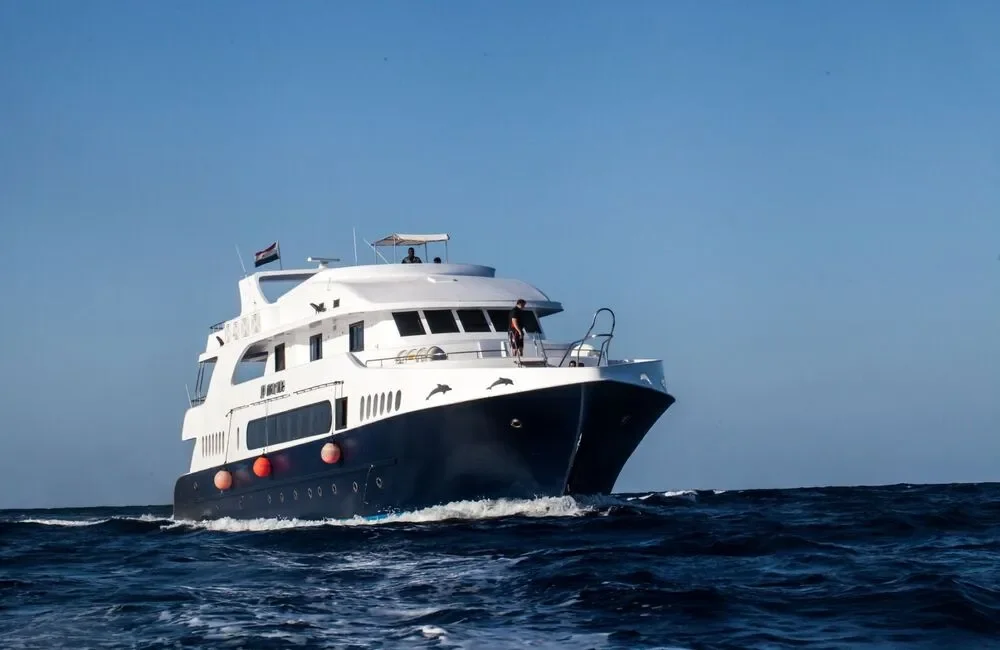
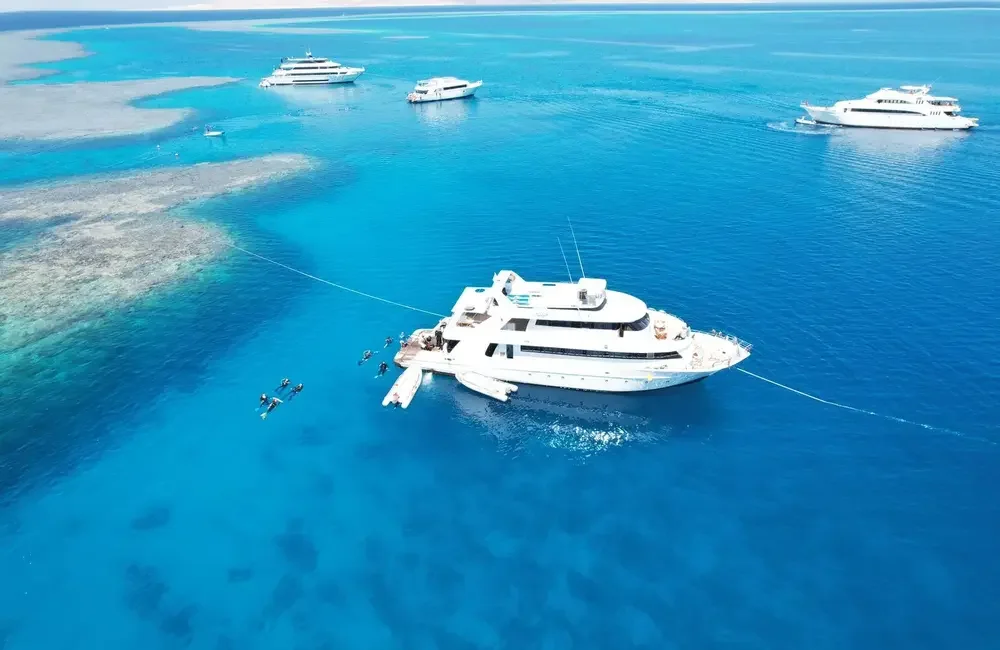
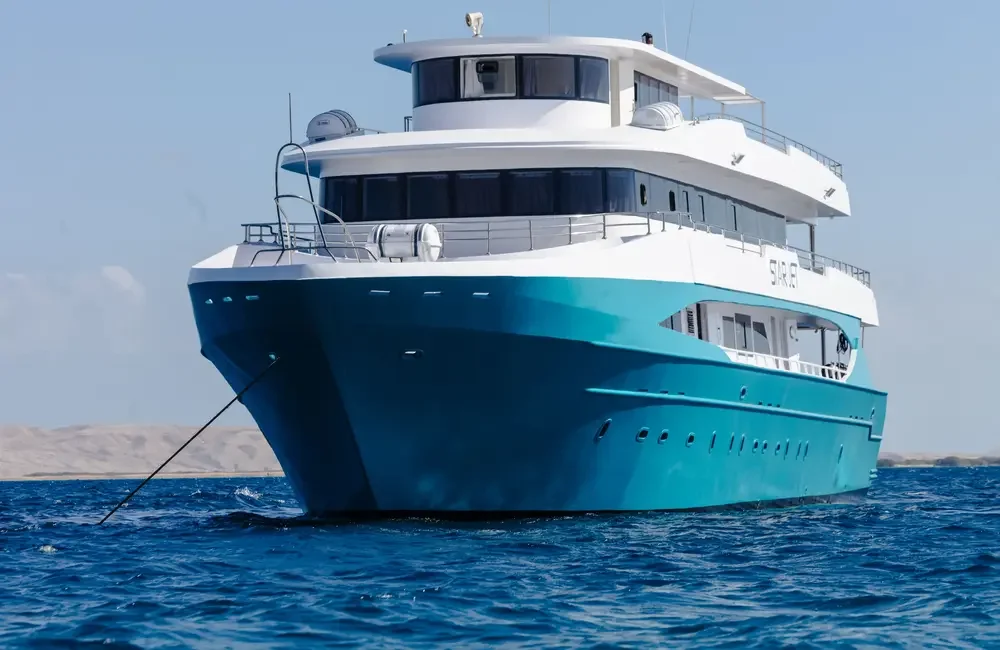
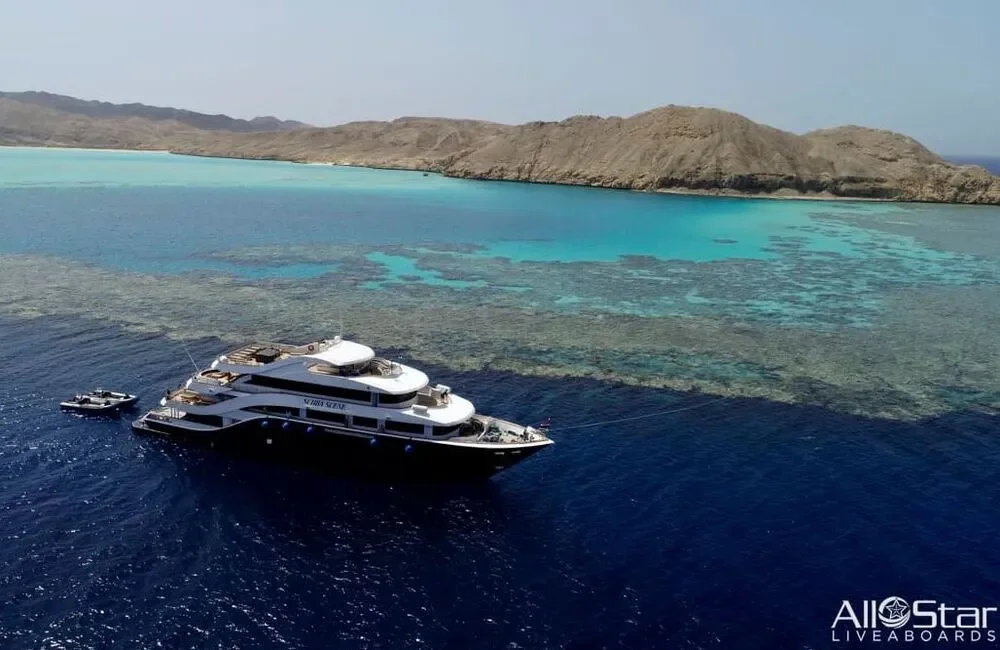
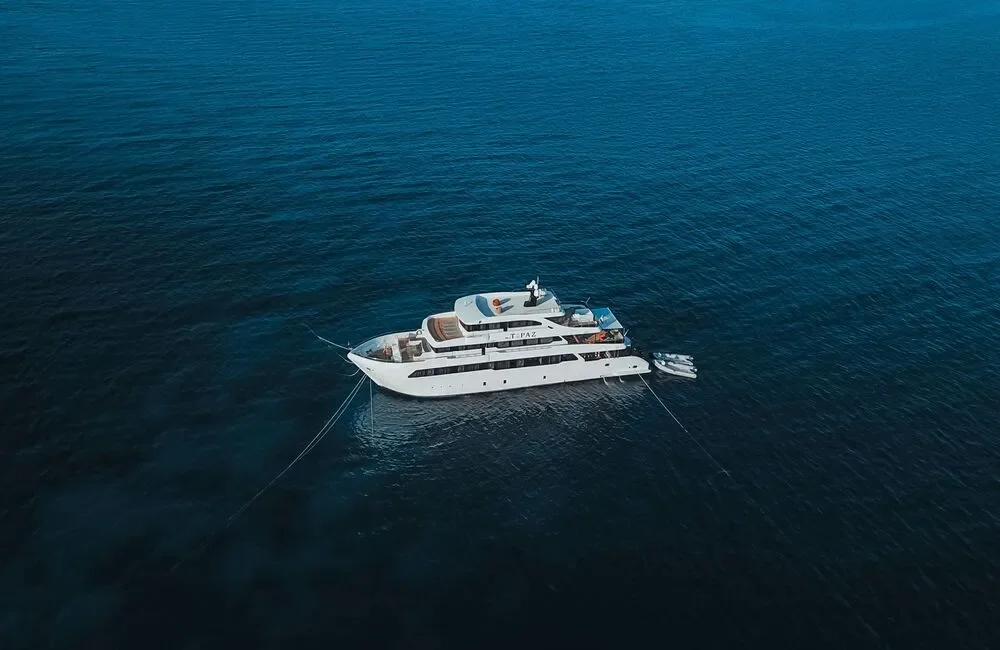
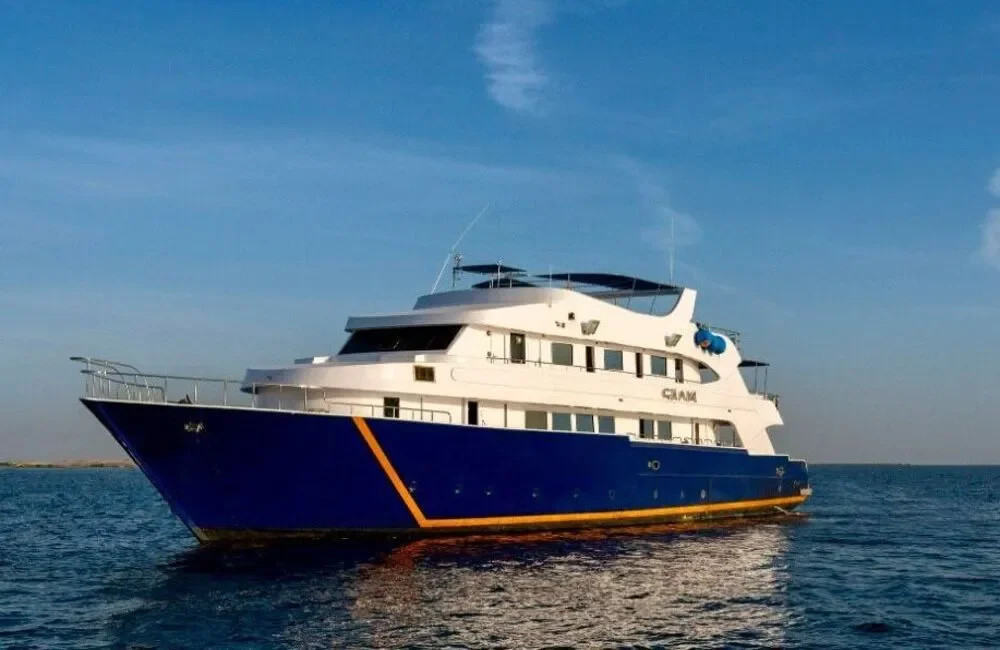
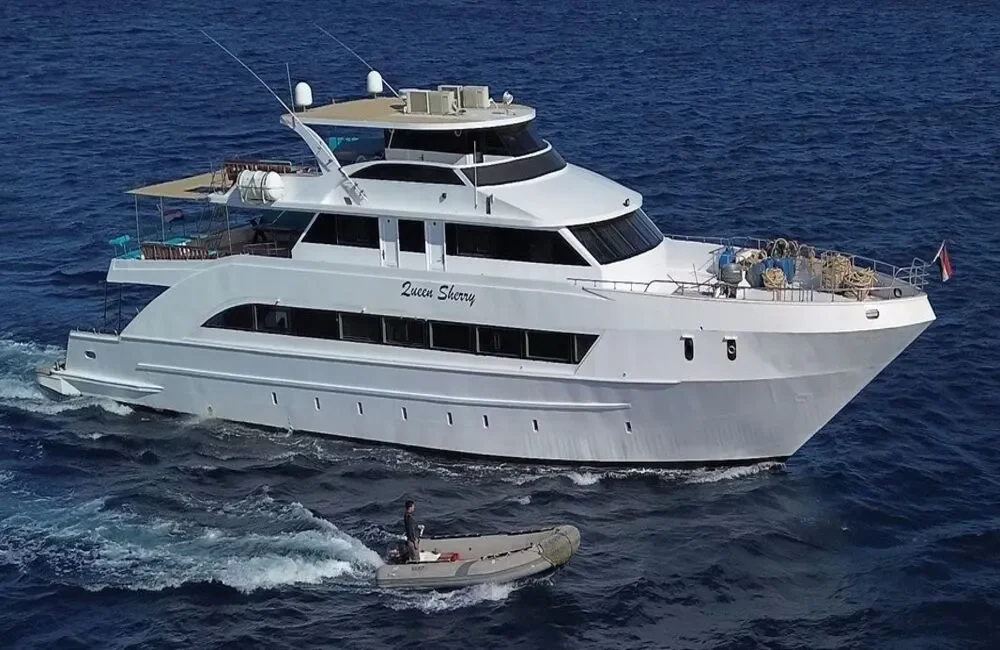
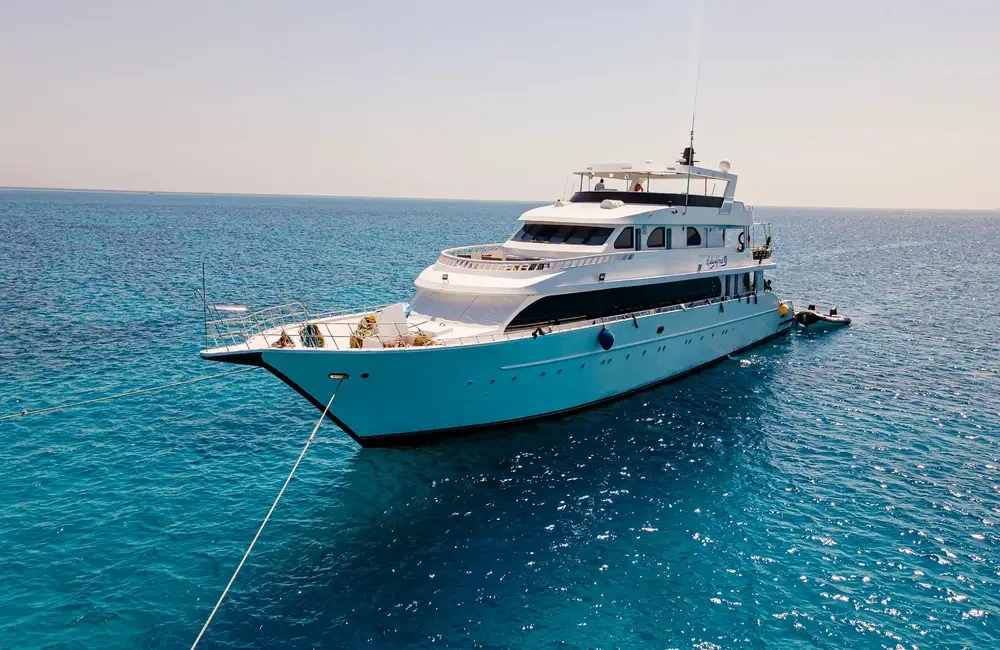
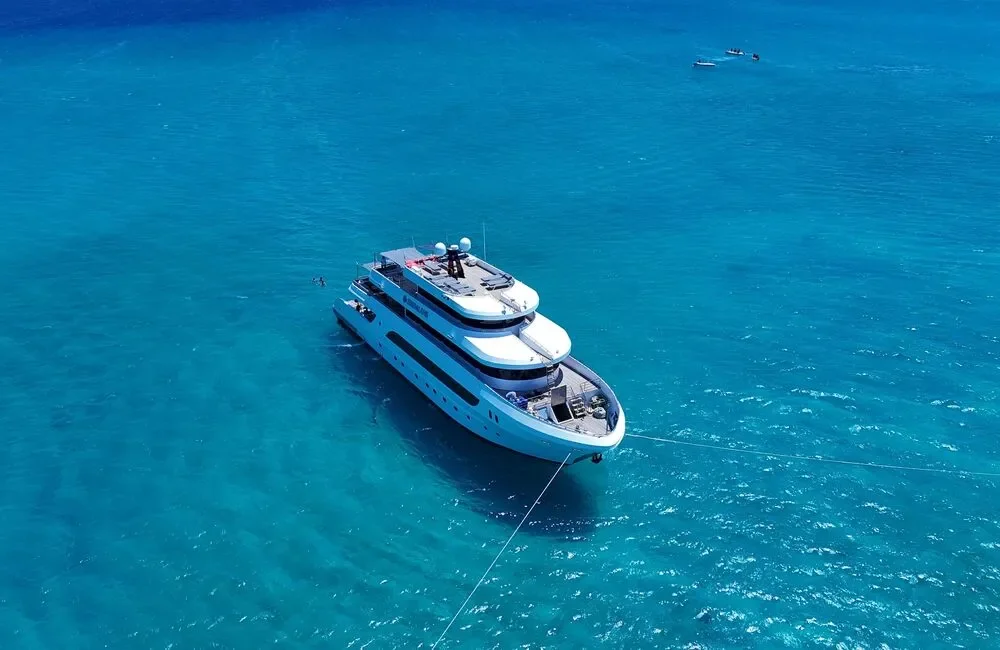
Brothers and Daedalus require a liveaboard. The BDE itineraries therefore allow you to chain several days on these reefs without returning to land, with generally several dives per day.
But it's not just a liveaboard dedicated to sharks. Covered with soft corals, gorgonians, large schools of fish and, at Big Brother, several wrecks give the three areas different identities.
It's mainly an itinerary for experienced divers. Currents, depth, full sea, sometimes negative water entries and blue dives are all part of the experience.
Climate and seasons
Like the entire Egyptian coast of the Red Sea, the region benefits from a desert climate, hot and dry.
Summer brings the highest temperatures, both in the air and in the water. The sea can approach 28 to 30 °C during the hottest months, while winter brings temperatures closer to 23 to 25 °C on these reefs in the center and south of the Red Sea.
But on BDE, the perceived temperature does not depend solely on the number displayed by the computer. Repeated dives, wind between two immersions and currents can accentuate the feeling of cold, particularly during winter liveaboards.
The choice of season is mainly interesting when looking at the pelagic fauna, some species of which have more favorable observation periods.
Dive conditions
BDE is not an itinerary where you choose your dives solely for their ease.
Brothers and Daedalus emerge in the middle of the Red Sea, surrounded by deep waters. Elphinstone also has steep drop-offs and exposed plateaus directly offshore. This topography exposes the three sectors to currents.
Their strength and direction can vary quickly. A relatively calm dive on a drop-off can thus be followed a few hours later by a much more sustained drift dive.
At Daedalus, searching for hammerhead sharks can also lead divers to leave the reef to wait in the blue, without direct visual reference to the bottom. Mastering buoyancy and comfort in full sea are then necessary to fully enjoy the moment.
The exact conditions and requirements vary depending on the boat. Some operators require an Advanced level or equivalent and a minimum number of logged dives to participate in a BDE itinerary. It is therefore essential to check the conditions of the chosen boat rather than considering a specific level as universally required.
Marine life and fauna
The reef fauna remains extremely present on the three sectors: carangues, thuns, barracudas, napoléons and large schools of fish accompany drop-offs covered with soft corals and gorgonians.
But let's be clear: if BDE has such a reputation, sharks are a big part of it.
Hammerhead sharks
Daedalus is one of the most sought-after sites in Egypt for observing hammerhead sharks.
Encounters often take place in the blue, away from the reef, especially during the first dives of the day. Isolated individuals or groups can be observed, but their presence remains dependent on the conditions and is of course never guaranteed.
Hammerheads can also be encountered at Brothers and Elphinstone.
Whitetip reef sharks
The whitetip reef shark, or oceanic whitetip, is the other iconic encounter of these liveaboards.
Elphinstone is particularly known for this species, with a generally favorable period in autumn. Brothers can also offer very beautiful encounters.
And the other sharks ?
BDE is not just about these two species.
Grey reef sharks can also be encountered and Brothers is also known for the possibility of observing the thresher shark. Other large pelagics can appear occasionally.
It's precisely this unpredictability of the encounter that makes these dives interesting, the unexpected of the encounter. You can choose the period to increase your chances with a species, but no one has yet managed to send the cruise schedule to the sharks.
Where to dive at Brothers, Daedalus and Elphinstone ?
Brothers Islands
Big Brother and Little Brother are two small isolated islands surrounded by drop-offs plunging into great depths.
Little Brother is especially associated with its walls covered in corals and the search for large pelagics.
Big Brother has an additional feature: the wrecks of the Numidia and the Aida, attached to the reef at different depths. They add a historical dimension and a very different dive from those made in the blue around the two islands.
Daedalus Reef
Daedalus, or Abu Kizan, is a vast offshore reef recognizable by its lighthouse.
Its isolation is at the heart of its interest. The walls drop off into very deep waters and its southern plateau is one of its main dive areas. But Daedalus is especially associated with morning excursions to the blue in search of hammerhead sharks.
It is probably the site among the three where the search for a specific animal influences the dive the most directly.
Elphinstone Reef
Elphinstone forms a long and narrow reef oriented north-south, with drop-offs on its east and west faces and plateaus at its ends.
Its relative proximity to Marsa Alam immediately distinguishes it from Brothers and Daedalus: it can be visited without participating in a BDE liveaboard.
Underwater, it remains fully in the same universe. Currents, drop-offs, blue and large pelagics dominate, with a particularly strong reputation for whitetip reef sharks in autumn.
FAQ
Must I be an experienced diver to do a BDE liveaboard ?
Yes, it's better to have already some experience.
It's not just about reaching a given depth. You must especially be comfortable with currents, drift dives, rapid descents, full sea exits and buoyancy management without visual reference.
Requirements for certification and number of dives vary depending on the operator. It is therefore always necessary to check those of the chosen cruise.
What is the best site to see hammerhead sharks ?
On this itinerary, Daedalus is generally the reference site for hammerheads.
This does not mean that you will see them, nor that they are absent from the other two sectors. Brothers and Elphinstone can also reserve encounters.
It's the sea, not an aquarium. And it's still a good part of what makes its interest.
Can I dive at Elphinstone without doing a liveaboard ?
Yes. This is just one of the main differences between the three sites.
Elphinstone is located close enough to the coast to be accessible from the Marsa Alam region during boat or speedboat excursions. Brothers and Daedalus are much farther away and require a liveaboard.
Do Brothers, Daedalus and Elphinstone resemble each other ?
They share the same offshore diving universe: drop-offs, currents, depth and large pelagics.
But underwater, the atmosphere really changes from one site to another. Brothers combines large drop-offs, wrecks and encounters with different species of sharks. Daedalus, more isolated and very open to the blue, is particularly sought after for hammerhead sharks and often gives an impression of a more oceanic dive. Elphinstone, closer to the coast, is distinguished by its narrow reef, northern and southern plateaus and its reputation for whitetip reef sharks.
It's precisely this complementarity that makes the interest of a BDE itinerary: you stay in the same diving universe, without feeling like you're doing the same thing three times.
Is a BDE liveaboard only interesting for sharks ?
No, sharks explain a large part of BDE's reputation, but the reefs are worth diving regardless of their presence: coral walls, gorgonians, fish schools, drop-offs and wrecks at Brothers make up an integral part of the itinerary.
If the sharks are present, all the better. If they're not there, there's still enough to fill your week.
Partner dive centers in this destination
+ List my centerBook directly with our verified dive centers.