When to dive in the Red Sea ?
Discover when to dive in the Red Sea according to the seasons, water temperature, sharks and major dive sites, from Egypt to Sudan
When to Dive
Monthly overview of conditions in this destination.
| Jan | Feb | Mar | Apr | May | Jun | Jul | Aug | Sep | Oct | Nov | Dec | |
|---|---|---|---|---|---|---|---|---|---|---|---|---|
| North Sea Red Climate | ☀️ | ☀️ | ☀️ | ☀️ | ☀️ | ☀️ | ☀️ | ☀️ | ☀️ | ☀️ | ☀️ | ☀️ |
| North Sea Red Temperature | 20-24 | 21-25 | 23-28 | 27-32 | 30-35 | 33-38 | 35-40 | 35-40 | 32-37 | 29-34 | 25-29 | 21-25 |
| North Sea Red Water Temperature | 21-23 | 21-22 | 21-23 | 22-24 | 24-26 | 26-28 | 27-29 | 28-30 | 28-29 | 27-28 | 25-27 | 23-25 |
| South Sea Red Climate | ☀️ | ☀️ | ☀️ | ☀️ | ☀️ | ☀️ | ☀️ | ☀️ | ☀️ | ☀️ | ☀️ | ☀️ |
| South Sea Red Temperature | 23-27 | 24-28 | 27-31 | 31-35 | 34-38 | 36-40 | 37-42 | 37-42 | 35-40 | 32-37 | 28-32 | 24-28 |
| South Sea Red Water Temperature | 23-24 | 22-24 | 23-24 | 24-25 | 25-27 | 27-28 | 28-29 | 29-30 | 29-30 | 28-29 | 26-28 | 24-26 |
| Jan | Feb | Mar | Apr | May | Jun | Jul | Aug | Sep | Oct | Nov | Dec | |
|---|---|---|---|---|---|---|---|---|---|---|---|---|
| North Sea Red Climate | ☀️ | ☀️ | ☀️ | ☀️ | ☀️ | ☀️ | ☀️ | ☀️ | ☀️ | ☀️ | ☀️ | ☀️ |
| North Sea Red Temperature | 20-24 | 21-25 | 23-28 | 27-32 | 30-35 | 33-38 | 35-40 | 35-40 | 32-37 | 29-34 | 25-29 | 21-25 |
| North Sea Red Water Temperature | 21-23 | 21-22 | 21-23 | 22-24 | 24-26 | 26-28 | 27-29 | 28-30 | 28-29 | 27-28 | 25-27 | 23-25 |
| South Sea Red Climate | ☀️ | ☀️ | ☀️ | ☀️ | ☀️ | ☀️ | ☀️ | ☀️ | ☀️ | ☀️ | ☀️ | ☀️ |
| South Sea Red Temperature | 23-27 | 24-28 | 27-31 | 31-35 | 34-38 | 36-40 | 37-42 | 37-42 | 35-40 | 32-37 | 28-32 | 24-28 |
| South Sea Red Water Temperature | 23-24 | 22-24 | 23-24 | 24-25 | 25-27 | 27-28 | 28-29 | 29-30 | 29-30 | 28-29 | 26-28 | 24-26 |
The Red Sea offers an exceptional diversity of sites, atmospheres, and marine life, and that's why it's so popular.
It's possible to dive there all year round, but the water temperature, currents, crowds, and chances of observing certain species change with the seasons and zones. So, there's something for everyone.
The north has colder temperatures in winter than the regions further south. Similarly, the favorable period for hammerheads or longimaned sharks is not necessarily the same in Egypt and Sudan.
The best time depends mainly on what you're looking for: warm water, large pelagics, temperatures, wreck diving, or exploring more isolated reefs.
Climate and Seasons
Surrounded by desert regions, the Red Sea benefits from a hot and dry climate, with little precipitation and many sunny days throughout the year.
However, air temperatures vary significantly with the season and latitude. From November to April, they are generally milder, while from May to September, the heat can become very intense, especially in southern Egypt and Sudan.
Spring and autumn often offer a good balance between outdoor heat and water temperature. Summer allows you to enjoy the warmest waters, but with potentially high temperatures on land. Winter is milder on the surface, with cooler water, especially in the north.
Diving Conditions
Water temperature also follows a seasonal cycle. It's generally the coolest between January and March, then warms up gradually in the spring to reach its highest values at the end of summer and early autumn.
In the north, the water can drop to around 20-22°C in winter and reach approximately 27-29°C during the hottest months. Further south, it remains generally warmer.
So, you'll need to adapt your wetsuit and equipment to the region, month, and number of dives planned.
Currents, on the other hand, depend much more on the site than on the season alone. Some bays and coastal dives offer easy conditions and are suitable for beginners, while offshore reefs, drop-offs, and exposed points can experience strong currents and require more experience.
Visibility is one of the Red Sea's greatest assets, often reaching 20-30 meters or more! However, it varies with wind, currents, plankton, and local conditions.
Wind can also influence surface conditions. It's more present in winter in certain parts of the north and can make navigation or launching less comfortable, but it won't prevent diving.
Marine Life and Fauna
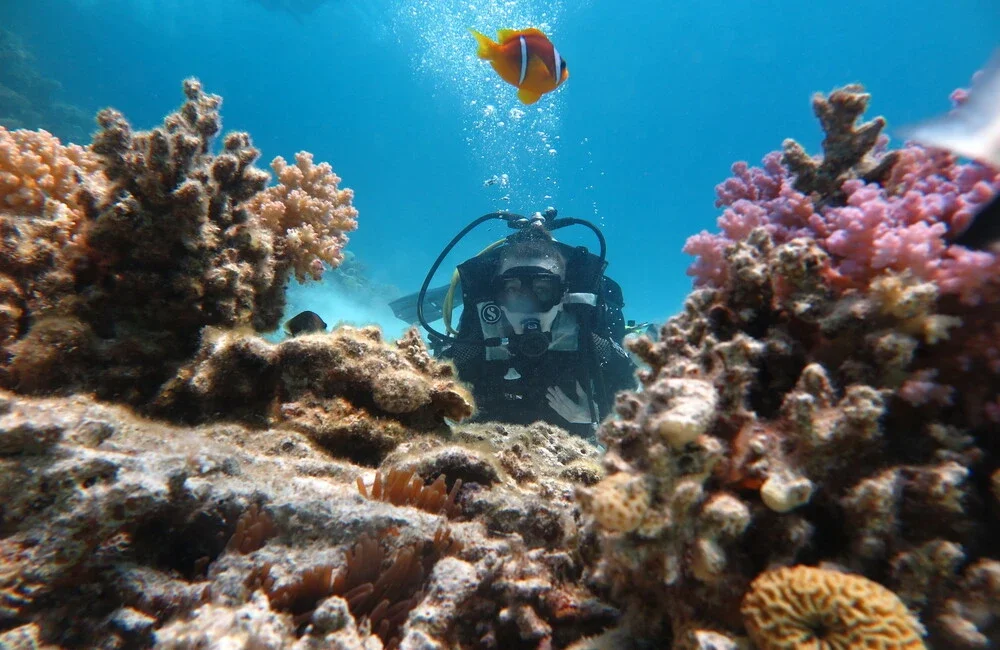
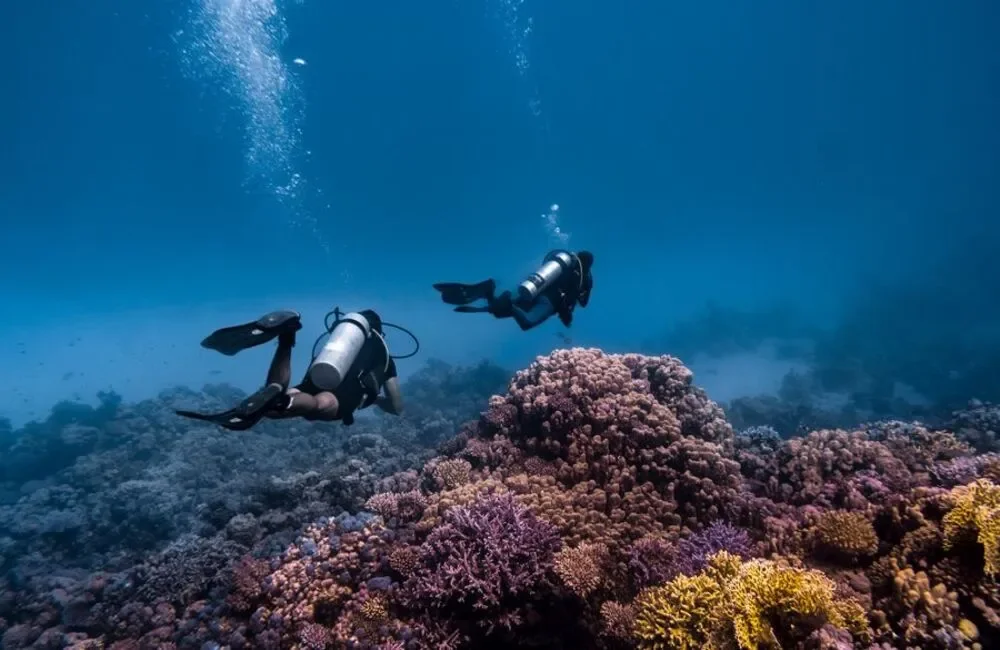
The richness of marine life is one of the Red Sea's main attractions.
Turtles, rays, moray eels, barracudas, carangues, dolphins, and a wide variety of reef fish can be observed in many regions. Some areas have a very particular fauna. For example, the seagrass beds around Marsa Alam are home to green turtles and dugongs, particularly in the Abu Dabbab region.
For most of this reef fauna, the chosen zone is often more important than the month of the trip. The season becomes more decisive when searching for certain pelagic species or specific phenomena.
And, of course, when talking about Red Sea diving, sharks are never far away.
Sharks
Depending on the regions and sites, it's possible to encounter:
reef grey sharks;
reef white-tip sharks;
hammerheads;
longimaned sharks;
thresher sharks.
However, there is no single shark season applicable to the entire Red Sea.
In Egypt, the summer months are particularly sought after for hammerheads on certain offshore reefs. The favorable period for hammerheads in Egypt runs from June to September. In Sudan, the dynamics can be different, with good opportunities for observing hammerheads during the winter months.
Longimaned sharks also have a different seasonal pattern depending on the sites. Brothers, Daedalus, and Elphinstone are among the Egyptian reefs known for encounters with large sharks.
So, to search for a specific species, it's best to consult detailed guides for each country and diving zone rather than relying on a single calendar for the entire Red Sea.
Where to Dive in the Red Sea?
The Red Sea offers very different experiences depending on the regions. Choosing a destination is almost as important as choosing a season.
Egypt: Consult our Egypt Guide
Egypt concentrates a particularly developed diving offer and allows you to discover a wide variety of underwater landscapes.
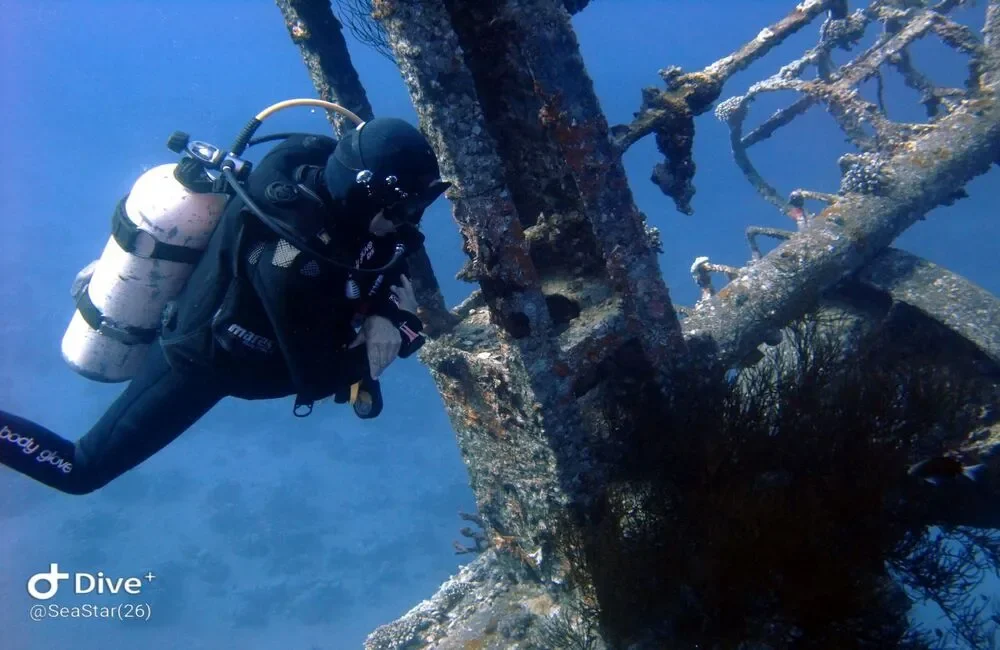
In the north, Sharm el-Cheikh and Dahab provide access to the Sinai reefs, Ras Mohammed, the Tiran Strait, and several iconic wrecks, including the SS Thistlegorm.
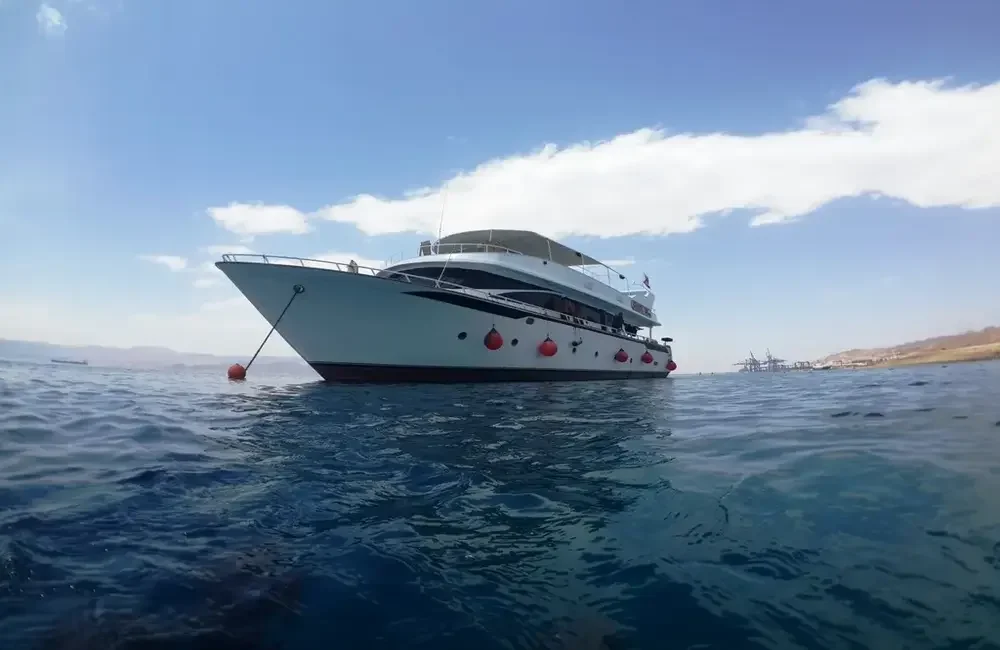
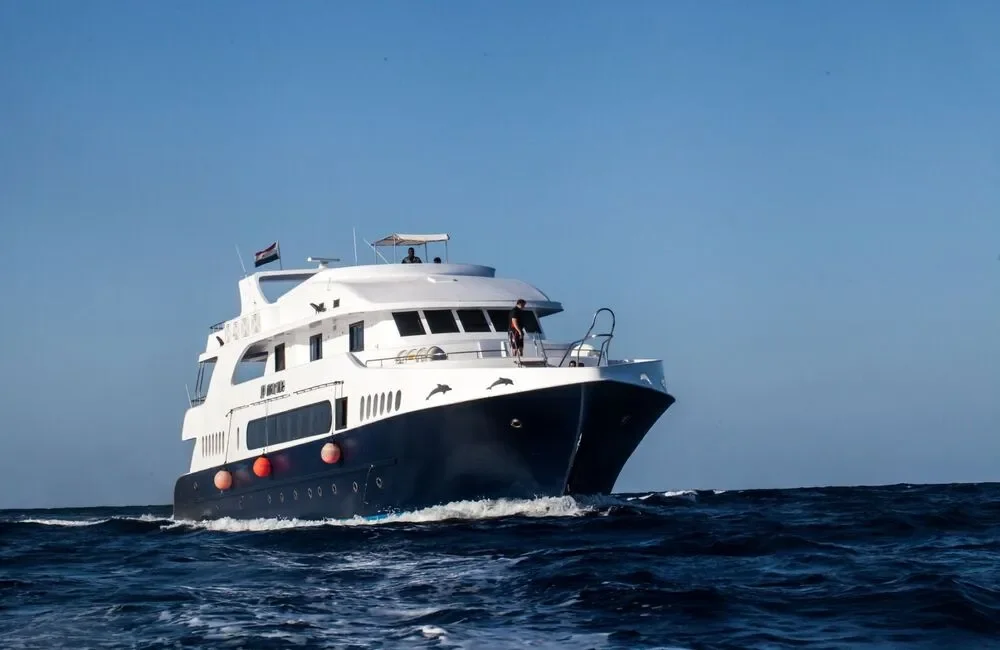
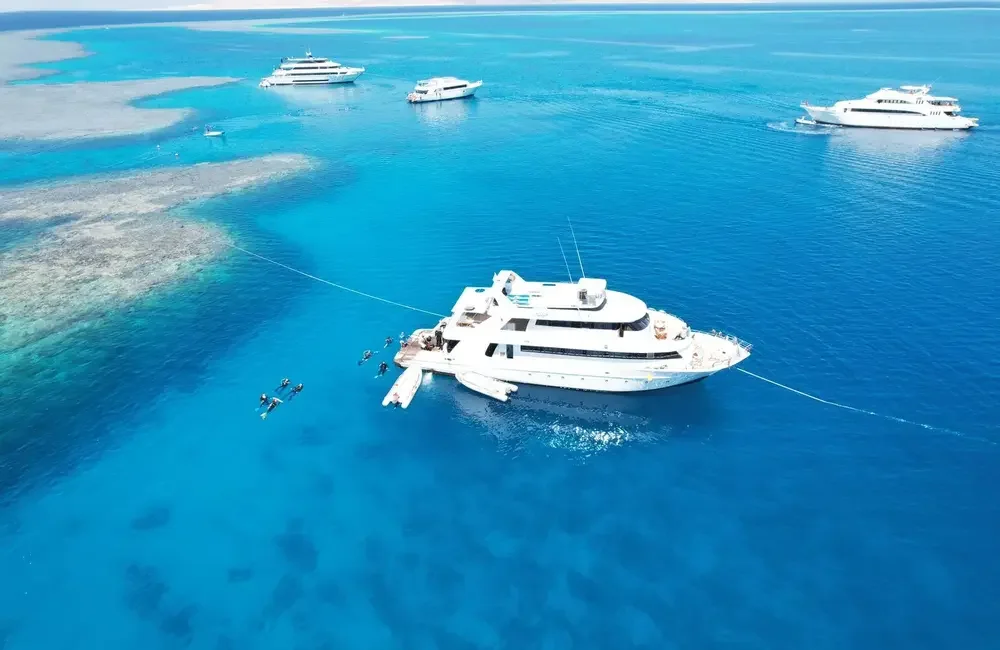
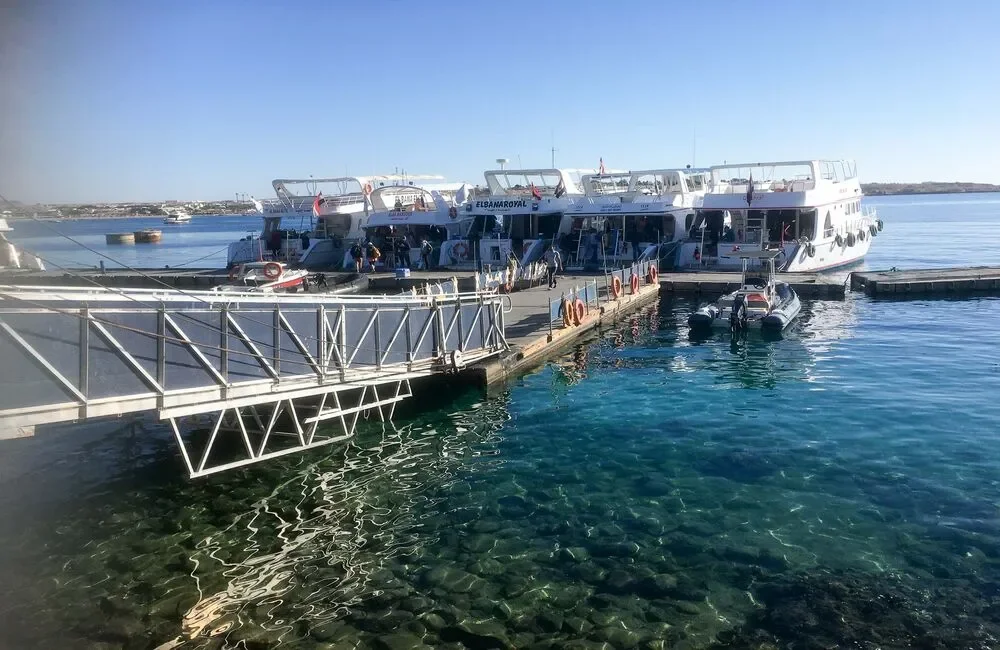
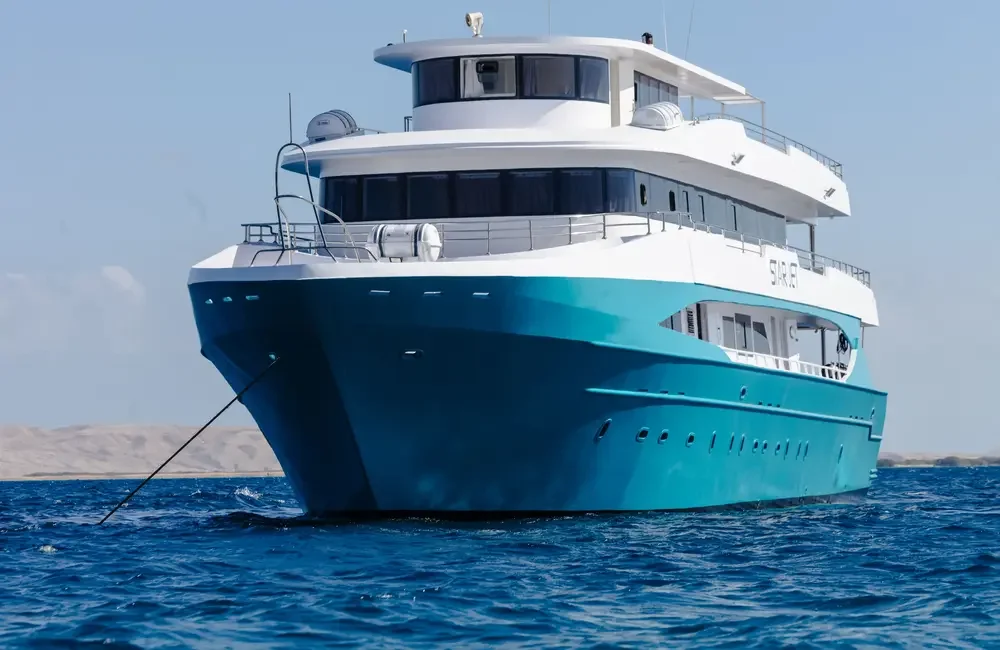
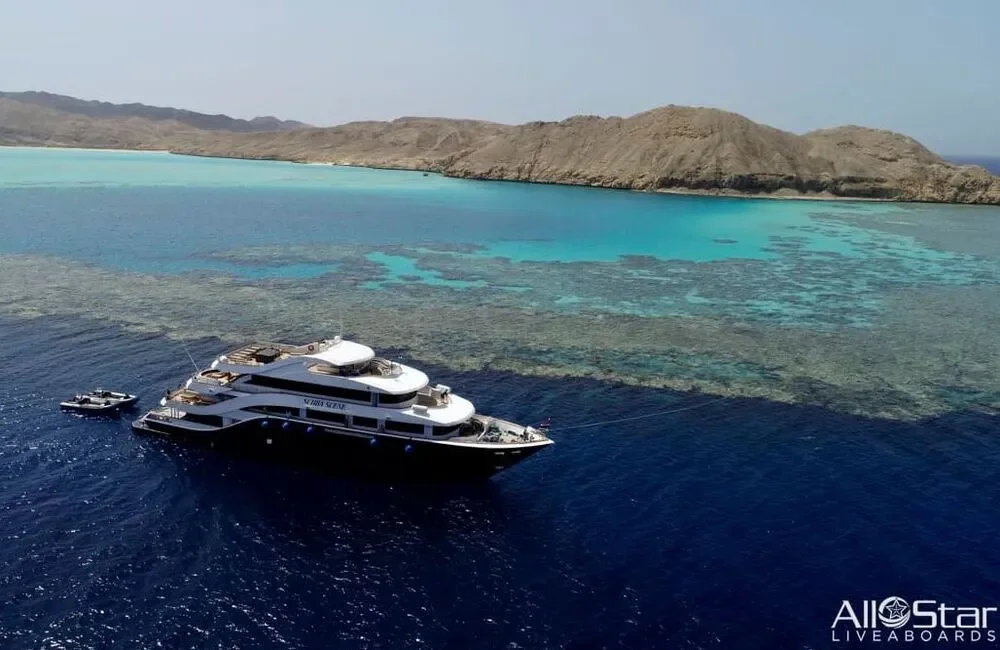
Further south, Hurghada, Safaga, and Marsa Alam allow you to combine coastal reefs, day trips, and liveaboards. Brothers, Daedalus, and Elphinstone are particularly renowned for their drop-offs, currents, and large pelagics. Brothers and Daedalus are isolated reefs accessible by liveaboard, while Elphinstone can also be reached from the Marsa Alam region.
Sudan
From a diving perspective, Sudan offers a much wilder face of the Red Sea, with isolated reefs, drop-offs, pinnacles, and a strong reputation for large pelagics.
Hammerheads are among the iconic encounters in the country, while the Umbria is one of its most famous wrecks. Historically, a large part of the offshore sites has been explored by liveaboard from Port-Soudan.
The seasonality is different from that of Egypt.
Jordan
Diving in Jordan focuses around Aqaba, at the northern tip of the Gulf of Aqaba.
Despite a very short coastline, the region brings together coral reefs, wrecks, and artificial reefs. Many sites are directly accessible from the shore, and currents are generally weak to moderate.
Aqaba is therefore a very different approach to the Red Sea, with simple logistics and many accessible dives, while also offering drop-offs and wrecks for more experienced divers.
Saudi Arabia
Saudi Arabia has a very long coastline on the Red Sea, with diving areas spread across a large part of its western coast.
Djeddah and Yanbu are among the main bases currently identified for diving, while the Farasan Islands are much further south. Saudi waters host coral reefs, drop-offs, wrecks, and pelagic life, with very extensive sectors still much less explored than the major Egyptian destinations.
FAQ
What is the best time to dive in the Red Sea?
There is no single best time applicable to the entire Red Sea.
Spring and autumn often offer a very good compromise between water temperature and outdoor comfort, but it's not necessarily at this time that you'll find the fauna you're looking for.
A diver looking to observe hammerheads on certain Egyptian reefs, for example, may prefer the summer, while the interesting seasons will not be the same in Sudan. The best time depends mainly on the zone and what you want to see.
Should I choose the north or south of the Red Sea?
It depends on your priorities.
The north generally offers cooler water, a very developed diving offer in Egypt, many wrecks, and areas like Sharm el-Cheikh, Dahab, or Aqaba. Further south, the water is generally warmer, and you'll find more isolated reefs and itineraries focused on liveaboards and large pelagics.
Where are the best chances to see sharks in the Red Sea?
The Egyptian offshore reefs like Brothers, Daedalus, and Elphinstone are among the most known areas for searching for sharks. Sudan also has a strong reputation for hammerheads and large pelagics.
However, you then need to look at the species, site, and season. Searching for a hammerhead, a longimaned shark, or a thresher shark does not necessarily lead to the same place or time.
Is the Red Sea suitable for beginner divers?
Yes, very much, but not everywhere.
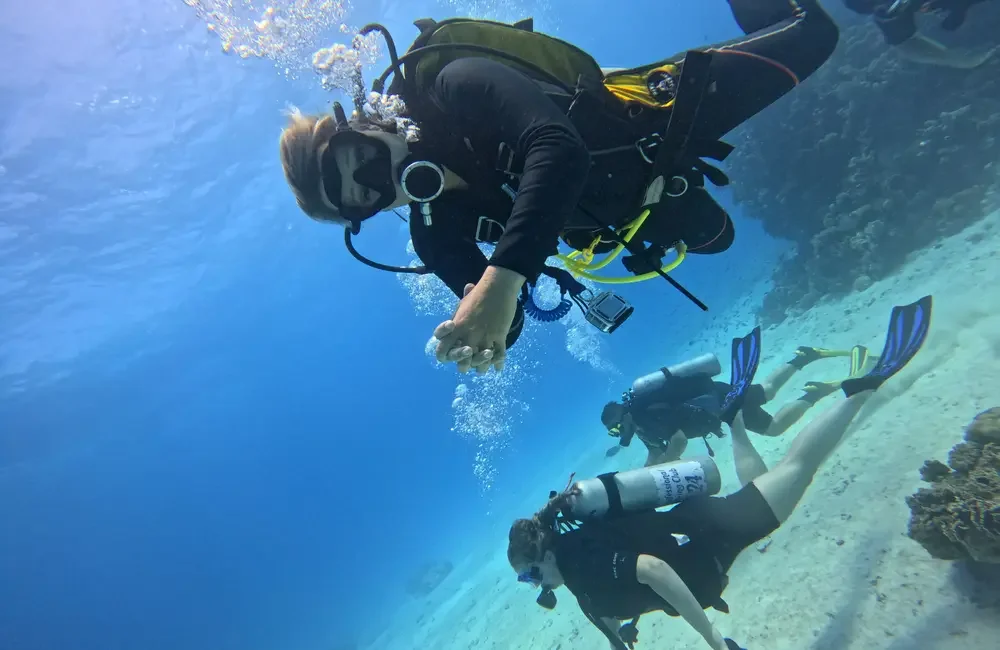
Aqaba has many sites accessible directly from the shore with little current, and Egypt also offers many bays and coastal reefs suitable for first dives. On the other hand, some offshore reefs like Brothers or Daedalus are exposed to currents and are more suited to experienced divers.
But if you're a beginner, you'll find your happiness in the Red Sea
Egypt, Sudan, Jordan, or Saudi Arabia: where to dive?
I think you should try the four!
Egypt offers the widest choice between land-based stays, wrecks, reefs, and liveaboards. Jordan concentrates many accessible dives on a very short coastline around Aqaba. Sudan is historically more associated with isolated reefs, liveaboards, and large pelagics. Saudi Arabia offers an immense coastline still relatively little explored by international diving.
The right choice therefore depends more on the type of trip and diving you're looking for than on one destination being better than another
Partner dive centers in this destination
+ List my centerBook directly with our verified dive centers.